
Trying to book or change a drug diversion appointment?
We are a private criminal defence firm (not the diversion program) and we cannot book, confirm or reschedule assessment appointments. To save you a call:
- Reschedule a Drug Diversion Assessment Program appointment: call the Diversion Coordination Service on 1800 879 601 (the number on your diversion agreement).
- Free, confidential alcohol and drug support, 24/7: call ADIS on 1800 177 833.
If you have been charged and want advice on whether diversion is open to you, or you missed an appointment and the matter is heading back to court, that is what we do: get in touch.
Overview
In 2023, Queensland Parliament passed legislation which, among other things, created a ‘three strike’ system for minor drug offences in Queensland. The legislation relaxed the laws that police must follow, allowing three chances before a person can be sent to court for most low-level drug offences, including possession of cannabis, ice, cocaine, heroin, fentanyl, ketamine and steroids.
The scheme came into effect on 3 May 2024, and it is still how police drug diversion operates as at 3 July 2026, but see the warning below: Parliament has already passed the law that will replace it.
Under the new system, to be eligible for diversion the drugs must be for personal use and the amount of drug must be less than the prescribed quantity of drugs or medicine (see table below). The scheme will also extend to other offences normally charged at the same time, such as possessing utensils like bongs and syringes, as well as other items like scales and clip seal bags.
If the criteria is met, then a person who is arrested or being questioned about a minor drug offence is eligible for diversion. The three strike system must then be followed by police:
- A drug diversion warning; then
- An offer to attend a drug diversion assessment program; then
- A second offer to attend a drug diversion assessment program.
If there is a fourth occasion, police are then entitled to charge a person and send their matter to court to be dealt with.
People who are not eligible for the new scheme include people who have previously been sentenced to imprisonment for drug trafficking, supply, or production, as well as people who committed a crime to buy the drugs, or happen to have drugs on them while committing serious crimes.
Personal possession limits
The following limits are the maximum amount a person can have on them at any one time (see Schedule 1B to the Regulation here):
- Amphetamine, cocaine, heroin, methylamphetamine (ice), methadone, morphine, THC, ketamine: 1g
- MDMA: 4 pills, tablets, or capsules (0.7g per pill)
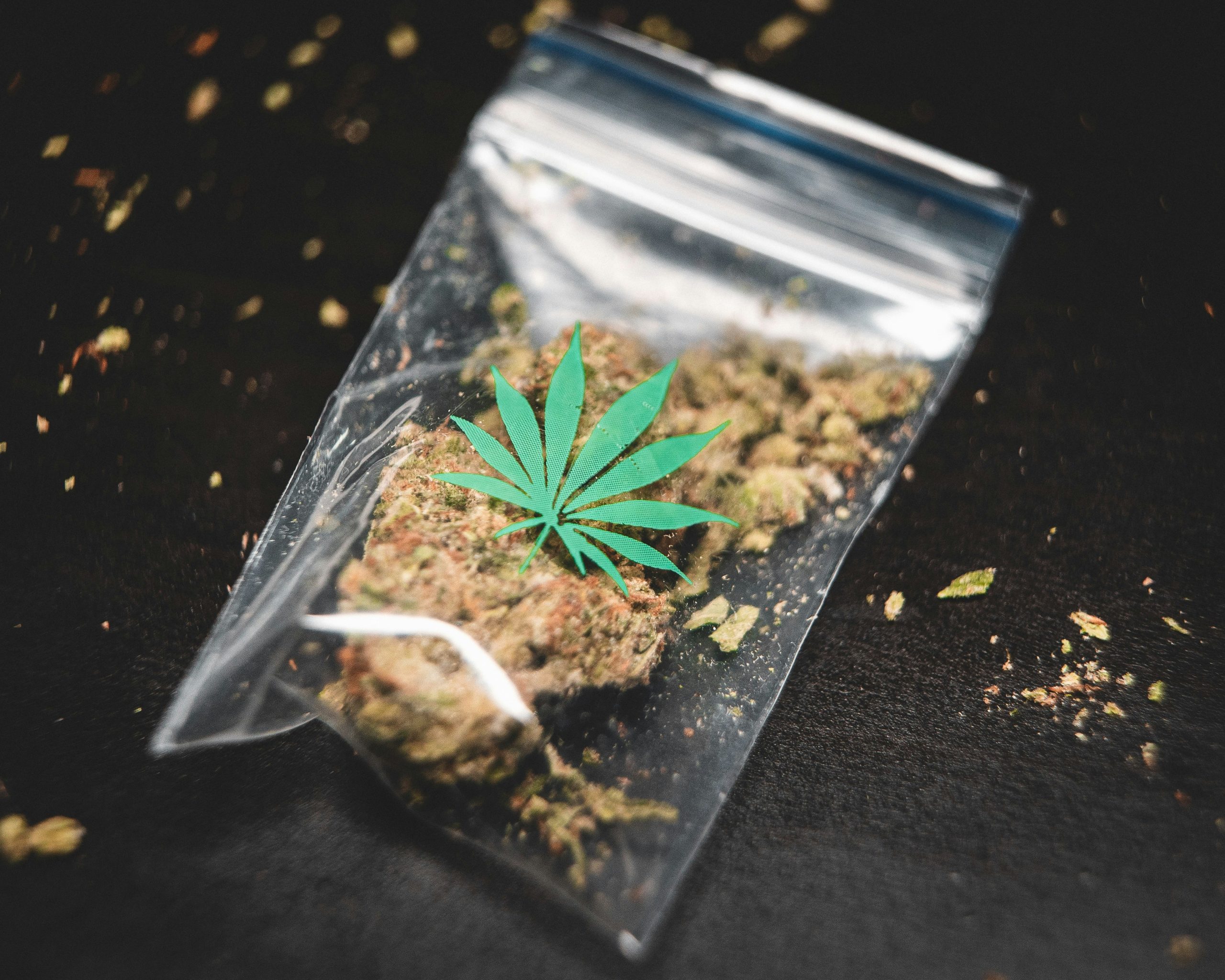
- Cannabis: 50g
- LSD: 3 tabs
- PCP: 0.2g
- Nandrolone, testosterone: 50g
- Codeine, opium: 5g
- Magic mushrooms (psilocybin): 0.04g
- Schedule 4 drugs (most benzodiazepines like diazepam and nitrazepam): any quantity
⚠ This scheme is being replaced: the 2026 reform
On 23 April 2026, Queensland Parliament passed the Expanding Adult Crime, Adult Time and Taking a Strong Stance on Drugs and Anti-Social Behaviour Amendment Act 2026, which repeals the three-strike police drug diversion program and replaces it with a much stricter Illicit Drug Enforcement and Diversion Framework. The new framework starts on a date to be fixed by proclamation (not yet made as at 3 July 2026), and when it does:
- The three chances become one: a single lifetime cannabis diversion opportunity (50g or less), and a single lifetime on-the-spot fine (3 penalty units) for other minor drug possession, with the option to complete a diversion program instead of paying.
- The exclusions tighten: any prior finding of guilt for a drug offence (even with no conviction recorded), possession of more than one type of drug, or a related indictable offence will rule diversion out.
- If you have already been offered a diversion program under the current scheme, you will not be eligible under the new one.
- Possessing utensils will attract an on-the-spot fine with no diversion option.
The practical message: the current scheme is the most lenient Queensland’s drug diversion laws are likely to be for a long time. We cover the court-based diversion options in detail in our drug and alcohol diversion guide.
Final thoughts
If you’ve run out of chances, or you’ve been charged by police with a drug offence, you should immediately contact us to protect your rights. You can read all about our experience in defending drug charges on our dedicated page.
This article is general legal information, not advice about your situation.
Worried about what happens next?
Speak confidentially with an experienced criminal defence lawyer. No judgement, no obligation. Available 24/7 for urgent matters.