

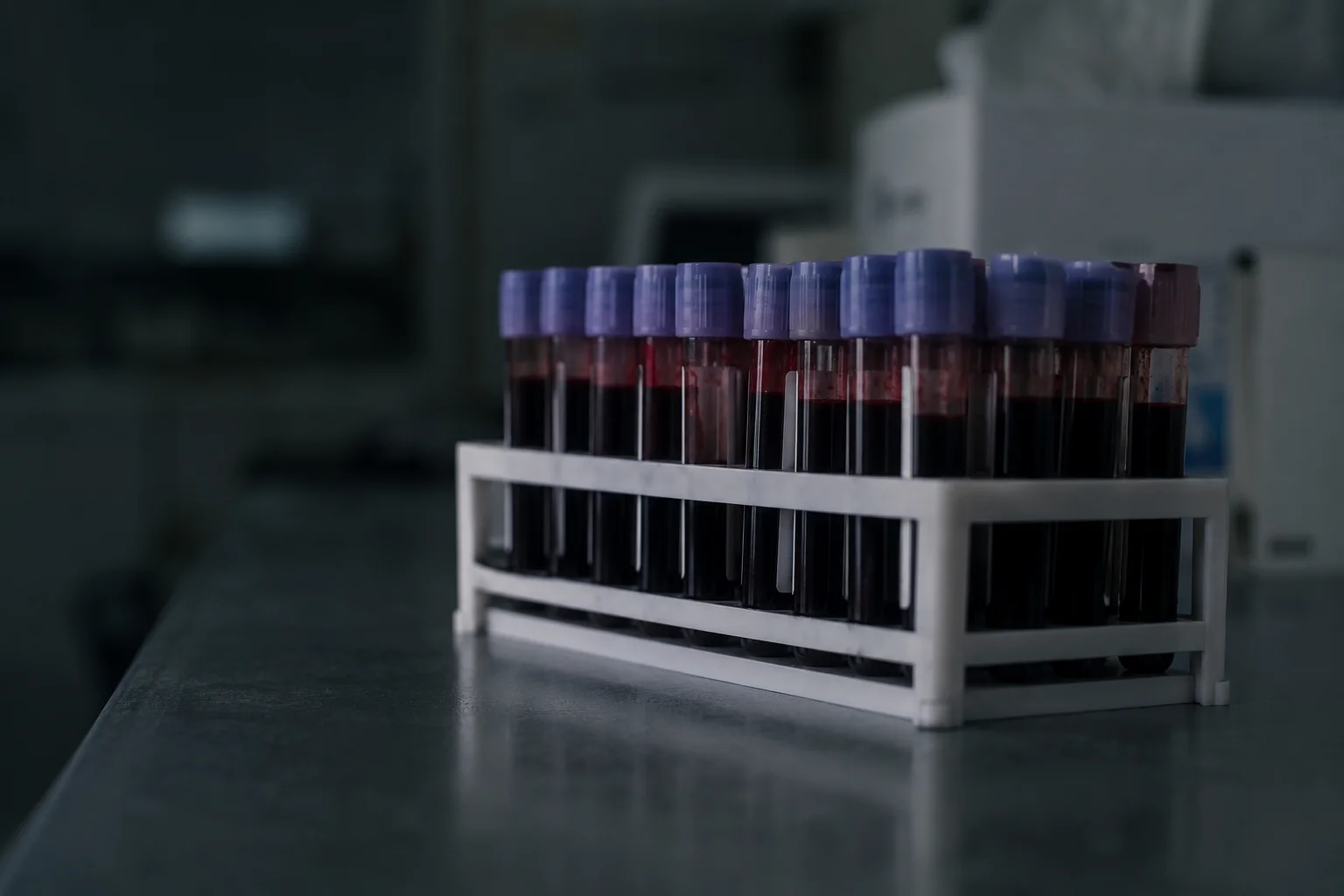
Can you be charged for transmitting a disease in Queensland?
Yes. Queensland law treats deliberately or recklessly passing a disease to another person as a criminal matter, and the penalties can be severe. There are two main offences to be aware of: intentionally transmitting a serious disease under the Criminal Code, which carries a maximum of life imprisonment, and recklessly transmitting a controlled notifiable condition under the Public Health Act. Even where no disease is actually passed on, spitting at or on someone is itself an assault.
Intentionally transmitting a serious disease (s 317)
Section 317 of the Criminal Code (Qld) makes it a crime to unlawfully transmit a serious disease to another person with intent to do so. It sits under the heading “acts intended to cause grievous bodily harm and other malicious acts”, and the maximum penalty is imprisonment for life.
The key element is intent. The prosecution must prove you deliberately set out to transmit the disease, not merely that you were careless or reckless. If that is made out, the court then has to be satisfied the disease was capable of being a genuinely serious one.
A “serious disease” is defined in the Criminal Code as one that, if left untreated, would be likely to cause the loss of a part or organ of the body, serious disfigurement, or to endanger life or cause permanent injury to health. A passing illness that would only ever cause mild symptoms is unlikely to meet that bar, even if the same disease could be serious for someone more vulnerable.
The High Court’s decision in Aubrey v The Queen [2017] HCA 18 shows how seriously the courts treat disease transmission: it held that even a reckless transmission carrying only a possibility of infection could found a serious criminal charge. That case concerned a New South Wales offence of recklessly causing grievous bodily harm; Queensland’s own s 317 sets the bar differently, requiring proof of deliberate intent.
Recklessly transmitting a communicable disease (Public Health Act s 143)
You do not need to have intended to infect anyone to be charged. Section 143 of the Public Health Act 2005 (Qld) makes it an offence to recklessly transmit a “controlled notifiable condition” to another person, with a maximum penalty of 400 penalty units or 2 years’ imprisonment. A lesser offence of recklessly putting someone at risk of contracting such a condition carries up to 200 penalty units or 18 months.
Controlled notifiable conditions are the more serious communicable diseases listed in Schedule 1 of the Public Health Regulation 2018; they include conditions such as HIV, tuberculosis and COVID-19. This is the offence most often associated with knowingly passing on HIV, but it applies across the range of listed diseases.
It is a defence to show that the other person knew you had the condition and voluntarily accepted the risk of contracting it. Simply declining a vaccine is not, by itself, an offence; there still has to be an identifiable risk of transmission, or an actual transmission.
What if nobody actually gets sick?
Even if no disease changes hands, spitting in someone’s face is at the very least a common assault under s 335 of the Criminal Code, which carries a maximum of 3 years’ imprisonment, regardless of whether anyone is infected.
What if you spit on a police officer or another public official?
Spitting on, biting, or otherwise applying a bodily fluid to a police officer is a circumstance of aggravation for serious assault under s 340 of the Criminal Code. The standard maximum for serious assault is 7 years, but where the assault on a police officer involves spitting, biting, or throwing or applying a bodily fluid, the maximum rises to 14 years’ imprisonment. That aggravated penalty has applied since amendments commenced on 29 August 2012, and it is not limited to disease cases; it applies whether or not anyone was ever infected.
Where does COVID-19 fit?
During the COVID-19 pandemic these offences drew attention when people spat at others, sometimes falsely claiming to be infected, to frighten or intimidate them. COVID-19 is a controlled notifiable condition under the current Schedule 1, so the reckless-transmission offence can apply to it, but there is nothing COVID-specific about any of this. The same provisions applied to other serious and communicable diseases long before the pandemic, and they apply the same way today.
What should you do if you have been charged?
Whether the charge is under s 317, common assault, serious assault, or the Public Health Act, these are matters where a term of imprisonment is a real possibility, particularly where a police officer or other public official was involved. Contact us for confidential advice, or read about how we defend assault charges generally.
This article is general legal information, not advice about your situation.
Worried about what happens next?
Speak confidentially with an experienced criminal defence lawyer. No judgement, no obligation. Available 24/7 for urgent matters.